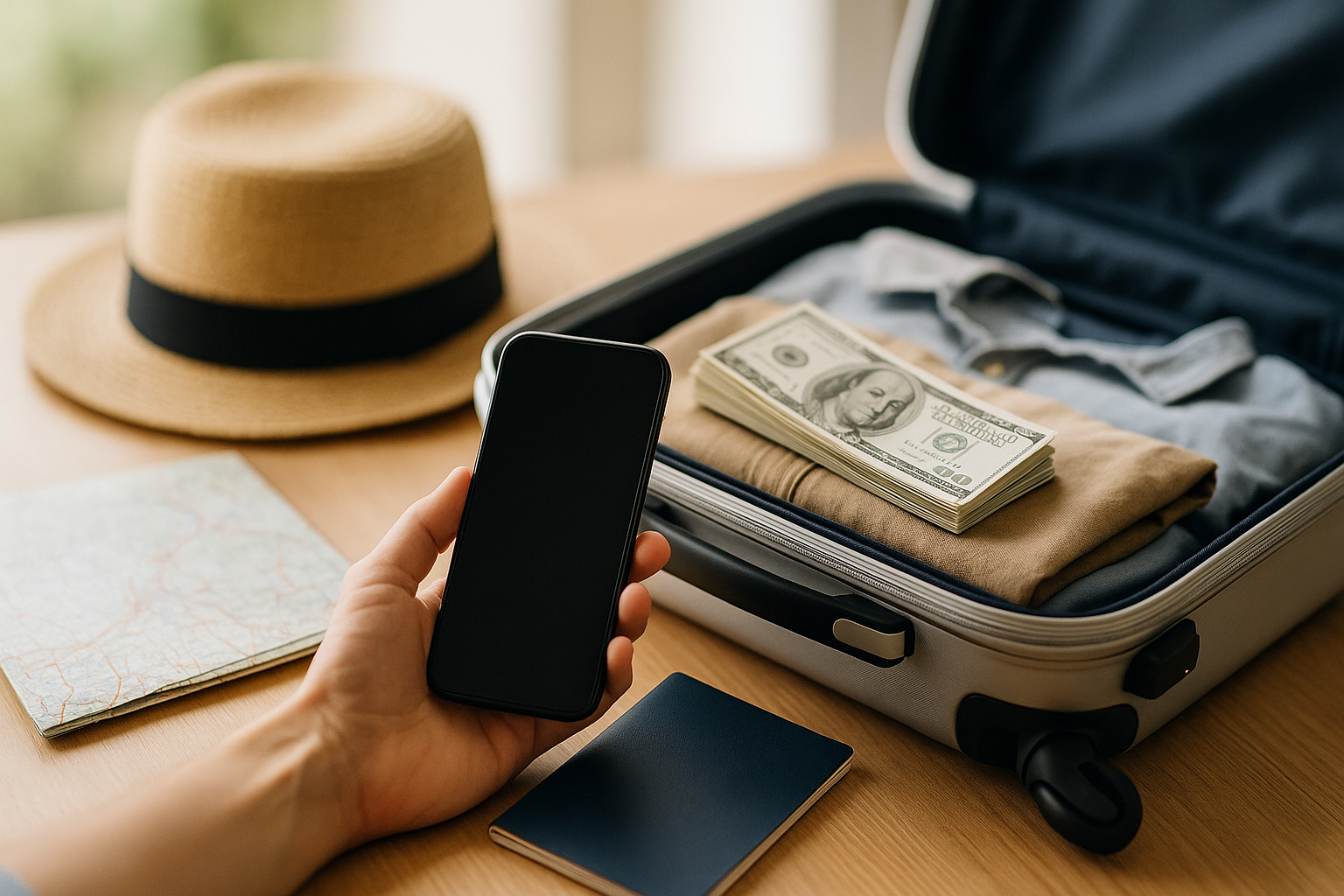
You’ve planned this trip for months, counted down the days, and spent hours researching the perfect itinerary. Then comes the actual travel day: a forgotten charger, a security line that moves like molasses, and the sinking realization that you packed your favorite shoes in your checked bag. Travel should be exciting, but too often it becomes a masterclass in managing chaos. The difference between travelers who arrive relaxed and those who arrive frazzled isn’t luck – it’s strategy.
Smart travel isn’t about having more money or more time. It’s about knowing which battles to fight and which shortcuts actually work. Whether you’re a weekend road-tripper or planning an extended international adventure, these practical hacks will transform how you experience every journey. According to travel experts who study stress reduction, the key is building systems that eliminate decision fatigue and unexpected problems before they happen.
Pack Like Your Sanity Depends On It (Because It Does)
Most packing advice focuses on what to bring. Smart travelers focus on how to bring it. The biggest game-changer? Packing cubes aren’t just organizers, they’re psychological tools. When you can see exactly where everything lives in your bag, you eliminate the frantic 7 AM hotel room excavation for that one specific shirt. Assign each cube a category: one for tops, one for bottoms, one for undergarments and socks. Your future self will thank you when you need to find something in a dimly lit hostel room.
The second rule: your carry-on should function as a survival kit for 48 hours. This doesn’t mean packing your entire wardrobe in a backpack. It means including one complete outfit change, essential medications, phone charger, and any items you’d genuinely panic about losing. Airlines lose approximately 25 million bags annually, and while most are recovered, you don’t want to attend that important meeting in yesterday’s airplane clothes. Our guide on essential packing strategies offers detailed techniques for maximizing carry-on space without sacrificing accessibility.
Here’s the hack most people miss: photograph your packed suitcase before you close it. When you’re repacking in a hotel room, you’ll have a visual reference for exactly how everything fit. It sounds almost too simple, but this single trick has saved countless travelers from the “sitting on your suitcase trying to force it closed” scenario.
Master the Art of Strategic Timing
Travel stress often comes down to timing. The difference between a hellish airport experience and a breezy one can be as simple as choosing a 6 AM flight instead of an 8 AM departure. Early morning flights have several hidden advantages: fewer delays because your plane isn’t waiting on a delayed incoming aircraft, less airport congestion, and flight crews who are fresh rather than managing their fourth leg of the day.
The same principle applies to arrival times at airports. The standard “arrive two hours early for domestic flights” rule isn’t always accurate. Study your specific airport’s TSA wait times using apps like MyTSA. Some airports are ghost towns at certain hours and absolute chaos at others. There’s a sweet spot – usually arriving about 90 minutes before boarding for domestic flights – where you clear security quickly but don’t waste two hours sitting at your gate wondering why you got there so early.
For road trips, timing becomes even more critical. Starting your drive at 4 AM might sound miserable, but you’ll miss rush hour traffic, enjoy emptier rest stops, and arrive at your destination with most of the day still ahead. Plus, if you have kids, they’ll sleep through the first few hours. The experts at Calm’s travel stress research found that avoiding peak travel times can reduce overall trip anxiety by up to 40%.
Technology Should Work For You, Not Against You
Your smartphone can be either your best travel companion or a source of constant stress. The key is setting it up before you leave home. Download offline maps for your destination in Google Maps – this single step eliminates the panic of having no GPS when your international data isn’t working. Screenshot important confirmations: hotel reservations, car rental details, attraction tickets. Yes, they’re in your email, but emails require internet access and sometimes apps that won’t load.
Create a dedicated travel folder on your phone’s home screen with only the apps you’ll actually need: your airline app, maps, translation tools, and your accommodation booking app. When you’re rushing through an airport, you don’t want to swipe through three screens looking for your boarding pass. Some travelers take this further by using the Screen Time features to hide social media apps entirely during travel days, eliminating the temptation to doomscroll instead of staying aware of your surroundings.
Here’s a hack that sounds paranoid until you need it: email yourself scans of your passport, credit cards, and important documents. If everything gets stolen, you’ll have access to critical information from any computer. Take it one step further and share your itinerary with someone back home through Google Docs. They can track your plans, and you can update it in real-time if things change.
The Digital Backup Plan
Battery anxiety is real. Carry a fully charged portable battery pack and the right cables. The “right cables” part is crucial – if you have an iPhone but your battery pack only has USB-C, you’ve just created an expensive paperweight. Test your entire charging setup before you leave. Many travelers swear by battery packs that can charge multiple devices simultaneously, letting you power up your phone and headphones during a long airport layover.
Navigate Security and Customs Like a Pro
Security lines are where travel stress concentrates into its purest form. The travelers who breeze through aren’t lucky, they’re prepared. Wear slip-on shoes and avoid belts with complicated buckles. Keep your liquids bag and laptop in an easily accessible part of your carry-on so you’re not unpacking half your belongings in the bin area while people sigh behind you.
For international travel, fill out customs forms while you’re still on the plane. Use the airplane time productively rather than standing in another line at immigration trying to remember your hotel’s exact address. Take a photo of your completed form before you hand it over – some countries require similar information on departure, and you’ll have a reference.
The TSA PreCheck or Global Entry debate isn’t really a debate – these programs pay for themselves after just a few trips. But here’s what the membership materials don’t emphasize: the real value isn’t just shorter lines. It’s the psychological relief of not having to remove shoes, belts, and laptops. It’s arriving at the airport 20 minutes later than you otherwise would have. That time and mental energy compound over years of travel.
Create Systems for the Small Stuff That Derails Big Plans
The most stressful travel moments often involve the tiniest details. You can’t find your boarding pass. You don’t have local currency for the airport shuttle. You forgot to notify your bank about international charges and now your card is frozen in a foreign country. These aren’t random disasters, they’re predictable problems with simple solutions.
Build a pre-trip checklist and actually use it. Not a mental checklist – an actual written or digital list you physically check off. Include obvious items like “passport” and “tickets,” but also the easy-to-forget details: notify bank of travel dates, set up international phone plan, pack converter plugs, arrange pet care, hold mail delivery. The night before you leave, lay out everything you’re wearing and packing. This gives you time to realize you planned to bring your nice shoes that are currently at the repair shop.
Research from stress management experts shows that having concrete preparation routines significantly reduces travel anxiety. Money management deserves its own system. Notify your credit card company about travel dates through their app. Carry at least two different payment methods – if one card gets declined or stolen, you have a backup. Keep some emergency cash in a separate location from your wallet. Twenty dollars in your shoe might feel excessive until it’s your only option for getting from the airport to your hotel.
The Power of Redundancy
Smart travelers embrace redundancy for critical items. Two phone chargers might seem excessive until you leave one in a hotel room. An extra pair of contact lenses in your carry-on weighs nothing but could save your entire trip if you lose one. A backup credit card stored separately from your primary wallet gives you options if the worst happens. This isn’t paranoia – it’s acknowledging that small backup plans prevent big problems.
Manage Energy, Not Just Time
Here’s what most travel guides miss: stress-free travel isn’t about optimizing every minute. It’s about preserving your energy for what actually matters. Build buffer time into your itinerary. If you think it takes 30 minutes to get somewhere, plan for 45. That extra 15 minutes is your stress buffer – if nothing goes wrong, you arrive early and relaxed. If something does go wrong, you still make it on time.
This applies to daily planning too. Don’t schedule activities back-to-back from 8 AM until midnight just because you’re only in Rome for three days. You’ll spend more time stressed and rushing than actually enjoying anything. Plan one major activity per day, maybe two if they’re in the same area. Leave gaps for getting lost, finding an amazing cafe you want to linger in, or simply not doing anything for an hour. If you’re traveling solo, resources on managing solo travel experiences can help you balance structure with flexibility.
Jet lag and travel fatigue are real physiological challenges. Don’t fight them with sheer willpower. Strategic napping is a tool, not a weakness. A 20-minute power nap in the afternoon can be the difference between enjoying your evening and zombie-walking through dinner. Stay hydrated – actually hydrated, not just thinking about drinking water while you nurse the same bottle for six hours. Bring a refillable water bottle through security and fill it at fountains.
Embrace Imperfection and Have a Plan B
The most stress-free travelers aren’t the ones who never encounter problems. They’re the ones who adapt quickly when things go sideways. Your flight gets cancelled? Don’t join the hundred people in line at the customer service desk. Call the airline while you start exploring rebooking options on the app. Having multiple approaches working simultaneously dramatically increases your chances of a quick resolution.
Keep a digital folder or note with backup options for your trip. Alternative hotels in case yours has issues. Different restaurants if your reservation falls through. Secondary activities if weather ruins your outdoor plans. This isn’t pessimism, it’s preparation. When Plan A fails, you immediately jump to Plan B instead of frantically googling options while stressed.
Sometimes the best travel hack is accepting that not everything will be perfect. That wrong turn led you to an incredible local market you never would have found. That delayed flight gave you time to actually relax instead of rushing. The hotel room that’s smaller than expected costs less, leaving more budget for experiences. Reframing minor inconveniences as neutral events rather than disasters is a skill that makes you objectively better at traveling.
The Morning-Of-Travel Routine That Changes Everything
Your travel day morning sets the tone for everything that follows. Don’t pack the morning of your trip. Everything should be ready the night before, letting you wake up to a calm, organized start. Eat a real breakfast, even if you’re nervous or rushed. Low blood sugar plus travel stress creates an emotional volatility that makes everything harder. If you’re exploring new destinations, checking out recommended road trip routes can help you plan stops that include good meal options.
Do a final sweep of your space before leaving. Check drawers, bathrooms, under beds, and behind doors. Look in places you don’t normally use but might have set something while packing. Charge cords left plugged in behind nightstands account for a shocking number of “I forgot my charger” moments. Take out the trash and run the dishwasher – returning to a clean home after travel is a gift to your future self.
Give yourself permission to arrive at the airport “too early.” That extra 30 minutes costs you nothing but gives you the freedom to stop for coffee, use the bathroom without rushing, and sit down before boarding starts. Hurrying creates stress. Margin creates peace. The most consistently calm travelers are the ones who build in more buffer than they think they need.
Smart travel ultimately comes down to replacing reactive stress with proactive systems. Every hack in this guide works because it eliminates a decision point or solves a problem before it becomes urgent. You can’t control flight delays, weather changes, or unexpected closures. But you can control your preparation, your backup plans, and your mindset when things don’t go perfectly. The travelers who arrive refreshed and ready aren’t superhuman – they’re just systematically eliminating the small stresses that compound into big problems. Start with one or two of these strategies on your next trip. As they become habits, travel stops being something you survive and becomes something you genuinely enjoy from the moment you leave home until the moment you return.

Leave a Reply