Your mornings are chaos, and dinner takes forever to get on the table. You love cooking, but between prepping ingredients, cleaning as you go, and hunting for the right tools, you’re spending twice as long in the kitchen as you’d like. The difference between an exhausting cooking session and an efficient one often comes down to a handful of simple shortcuts that professional chefs use without thinking.
These aren’t corner-cutting tricks that sacrifice quality. They’re smart techniques that streamline your workflow, reduce cleanup time, and help you reclaim hours each week. Whether you’re making a quick weeknight dinner or tackling a more ambitious recipe, these shortcuts will transform how you work in the kitchen.
Master the Mise en Place Mindset
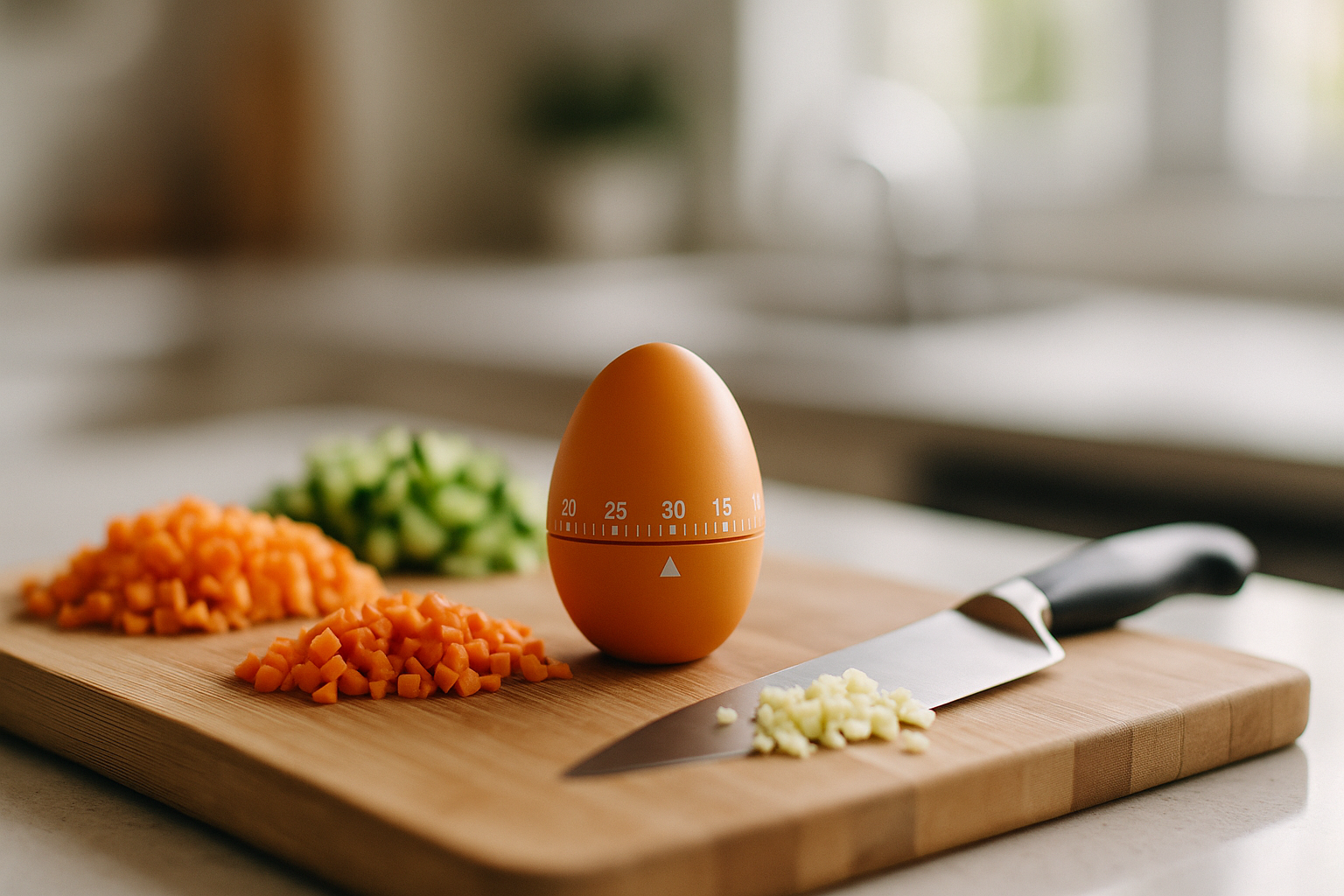
The French culinary concept of “mise en place” means everything in its place, and it’s the single most impactful habit you can adopt. Before you turn on a single burner, spend five minutes gathering and prepping all your ingredients. Chop your onions, measure your spices, and line everything up near your workspace.
This approach feels counterintuitive when you’re rushing to get dinner ready. You want to just start cooking immediately. But here’s what happens when you don’t prep first: you’re constantly stopping to chop something while garlic burns in the pan, or frantically searching for cumin while your sauce reduces too quickly. These interruptions don’t just waste time – they create stress and mistakes.
Professional kitchens run on mise en place because it works. When everything is ready before cooking begins, you can focus entirely on technique and timing. Your cooking becomes smoother, your results improve, and paradoxically, the whole process takes less time. Start with just one meal using this method, and you’ll immediately understand why chefs swear by it.
Leverage Your Kitchen Tools Strategically
You don’t need expensive gadgets to save time, but using the right tool for each job makes an enormous difference. A sharp chef’s knife eliminates the slow, frustrating sawing motion that dull knives require. Invest in a good quality knife sharpener and use it monthly – those two minutes of maintenance will save you hours over the course of a year.
Kitchen shears are criminally underused in most home kitchens. They’re faster than a knife for dozens of tasks: snipping herbs directly into dishes, cutting bacon into pieces, trimming fat from chicken, and even chopping canned tomatoes right in the can. Keep a dedicated pair for food (not the same ones you use for opening packages) within easy reach.
For those looking to build a more efficient kitchen setup, understanding which essential kitchen tools you actually need helps you avoid cluttering your space with unnecessary gadgets while ensuring you have the items that genuinely speed up cooking. A bench scraper, for instance, costs a few dollars but makes transferring chopped ingredients from cutting board to pan effortless. A silicone spatula gets every last bit of sauce out of bowls and pans. These simple tools create countless small time savings that add up significantly.
Cook Once, Eat Multiple Times
The most efficient cooks understand that batch cooking doesn’t mean eating the same meal seven nights in a row. It means preparing components that work across multiple dishes throughout the week. Roast a whole tray of vegetables on Sunday, and you’ve got ready-made additions for grain bowls, omelets, pasta, and sandwiches.
When you’re cooking rice, quinoa, or other grains, make double or triple the amount you need. Cooked grains keep well in the refrigerator for up to five days and reheat beautifully. The same principle applies to proteins – if you’re grilling chicken for tonight’s dinner, throw extra on the grill for tomorrow’s salads or wraps.
This approach aligns perfectly with meal prep strategies for busy professionals, where preparing versatile components in advance dramatically reduces daily cooking time. Dried beans are another excellent candidate for batch cooking. Spend an hour on the weekend cooking a big pot of beans, portion them into containers, and you’ll have a protein-rich ingredient ready to go for weeks. Yes, canned beans are convenient, but home-cooked beans taste better, cost less, and take zero time when you need them since you already did the work.
Optimize Your Cleaning Strategy
Clean as you cook sounds like obvious advice, but most people do it inefficiently. The key isn’t washing every single item the moment you finish with it – that creates constant interruptions. Instead, use those natural waiting periods during cooking: while pasta water comes to a boil, while something simmers, or while meat rests.
Fill your sink with hot, soapy water before you start cooking. As you finish with prep bowls, measuring spoons, or cutting boards, drop them in the water to soak. When you hit a waiting period, quickly wash what’s soaking. This approach means you’re maximizing downtime rather than creating new tasks that interrupt your cooking flow.
Keep a small bowl or container on your counter while you prep for vegetable scraps and trash. This eliminates dozens of trips to the garbage can. When you’re done prepping, make one trip to empty it. Similarly, wipe down your cutting board and workspace once after all your prep is complete, rather than cleaning multiple times throughout the process.
Line baking sheets with parchment paper or silicone mats whenever possible. The few cents per sheet of parchment saves you several minutes of scrubbing, and your pans last longer without the wear from constant scouring. For particularly messy roasting jobs, use aluminum foil (though parchment is better for most applications since nothing sticks to it).
Strategic Ingredient Shortcuts That Don’t Compromise Quality
Some convenience products genuinely save time without sacrificing much quality. Pre-washed salad greens and baby spinach fall into this category. Yes, you pay more per pound, but washing and drying lettuce properly is time-consuming and requires tools many home cooks don’t have. The time saved is usually worth the extra cost.
Frozen vegetables often outperform fresh ones, both in convenience and nutrition. Vegetables frozen at peak ripeness retain their nutrients better than fresh vegetables that have traveled thousands of miles and sat in your refrigerator for a week. Keep bags of frozen broccoli, peas, green beans, and mixed vegetables on hand for quick weeknight dinners that come together in under 30 minutes. They require zero prep and cook faster than fresh.
Minced garlic in jars is controversial among food purists, but here’s the reality: jarred garlic is fine for dishes where garlic isn’t the star. Save fresh garlic for recipes like garlic bread or aglio e olio where the garlic flavor is central. For soups, stews, and sauces where garlic is one of many flavors, the jarred version works perfectly well and saves considerable time. According to kitchen efficiency experts, knowing when to use convenience products strategically is a hallmark of smart, time-conscious cooking.
Rotisserie chickens from the grocery store cost about the same as raw whole chickens but save you an hour of cooking time. Use the breast meat for one meal, the dark meat for another, and simmer the carcass for homemade stock. You’ve created three different components in the time it would have taken to roast one chicken.
Rethink Your Recipe Approach
Stop reading recipes like instruction manuals you must follow exactly. Once you understand basic cooking techniques, recipes become flexible templates. If a recipe calls for shallots and you have onions, use onions. If it specifies fresh thyme but you have dried oregano, make the substitution. Perfect is the enemy of done, especially on busy weeknights.
Read the entire recipe before starting, but also look for opportunities to streamline. Can you roast the vegetables while the chicken cooks instead of doing them separately? Can you use one pot instead of two? Many recipes are written without considering efficiency because they’re designed to showcase technique rather than save time.
Experienced cooks know that essential kitchen techniques matter more than following recipes exactly, which is why understanding the fundamentals gives you the flexibility to adapt and save time. Build a mental catalog of simple formulas rather than relying on detailed recipes. Stir-fries follow a basic pattern: aromatics, vegetables, protein, sauce. Pasta dishes typically work the same way: cook pasta, build a sauce, combine. Once you internalize these patterns, cooking becomes intuitive and much faster.
Smart Storage and Organization
How you organize your kitchen directly impacts cooking efficiency. Store items where you use them – keep cutting boards near your prep area, pots near the stove, and baking sheets near the oven. Every unnecessary step between grabbing a tool and using it wastes seconds that accumulate into minutes across multiple cooking sessions.
Invest in clear storage containers and label them. Searching through identical opaque containers trying to find the right flour or grain is a time-waster you can eliminate completely. Similarly, store frequently used spices in a drawer or rack near your cooking area, not in a cabinet where you have to root around to find them.
Keep a running grocery list in a consistent location (on your phone or on the refrigerator). When you use the last of something or notice you’re running low, add it immediately. This eliminates those mid-recipe discoveries that you’re missing a key ingredient, which then requires either a trip to the store or scrambling to find a substitution.
For people who struggle with maintaining organization and consistency in their kitchen routines, the principles of daily mindfulness practices can surprisingly translate well to creating sustainable kitchen habits that stick. Dedicate fifteen minutes weekly to kitchen organization. Wipe down shelves, check expiration dates, and reorganize anything that’s gotten messy. This small regular investment prevents the need for major overhauls and keeps your kitchen functioning efficiently.
Embrace One-Pot and Sheet Pan Meals
The fewer dishes you use, the less time you spend cooking and cleaning. One-pot meals aren’t just convenient – when done properly, they actually create deeper, more complex flavors as ingredients cook together and share their essences. Soups, stews, braises, and pasta dishes that cook entirely in one pot are your weeknight allies.
Sheet pan dinners follow the same principle: arrange protein and vegetables on a single pan, season everything, and roast. The oven does the work while you do something else. For anyone interested in minimizing cleanup time, exploring one-pot recipes with minimal cleanup opens up a world of delicious possibilities that don’t leave your sink overflowing with dishes. The key is choosing ingredients with similar cooking times or cutting larger items smaller so everything finishes simultaneously.
Your slow cooker or Instant Pot can be tremendous time-savers, but only if you actually use them. These tools work best when you do the minimal prep in the morning (or the night before), then let the appliance handle the cooking while you’re at work. Coming home to a finished meal that required fifteen minutes of effort is genuinely life-changing for busy households.
Time-Saving Techniques From Restaurant Kitchens
Professional cooks use specific techniques that home cooks often overlook. Blanching vegetables in advance, then shocking them in ice water, means you can quickly sauté them later without worrying about undercooking or overcooking. The hard work is done ahead, and the final cooking takes two minutes.
Season as you go, not just at the end. Adding salt at different stages of cooking builds more complex, layered flavors and often means you need less salt overall. It also eliminates that frantic taste-and-adjust session at the end when you’re trying to rescue a bland dish. As noted by culinary efficiency experts, seasoning in layers is one of the fundamental techniques that separates good cooking from great cooking while actually saving time.
Use high heat when appropriate. Many home cooks use medium heat for everything out of fear of burning food, but this actually slows cooking down considerably. High heat sears meat properly, caramelizes vegetables, and reduces sauces quickly. You need to pay more attention, but the time savings are substantial. Just ensure your pan and oil are properly heated before adding ingredients.
Room temperature ingredients cook faster and more evenly than cold ones. Take eggs, butter, and meat out of the refrigerator 20-30 minutes before cooking. Cold chicken breasts throw off recipe timing and cook unevenly. Room temperature eggs incorporate into batters more smoothly. This small habit eliminates numerous cooking problems and speeds up the process.
Transform Your Leftover Game
Leftovers are only boring if you eat them exactly as they were the first time. That roasted chicken becomes chicken salad, quesadillas, or soup. Last night’s vegetables transform into a frittata or get blended into a sauce. Thinking of leftovers as ingredients rather than reheated meals opens up possibilities and saves you from starting from scratch.
Keep a container in your freezer for vegetable scraps – carrot peels, onion ends, celery leaves, herb stems. When it’s full, simmer everything for homemade stock that costs nothing and tastes better than store-bought. This single habit transforms waste into a valuable ingredient you’ll use constantly.
Cooked pasta dries out when refrigerated, so if you’re planning to have leftovers, slightly undercook it initially. When you reheat the pasta in sauce, it will finish cooking and absorb flavors rather than becoming mushy. This small adjustment makes leftover pasta dishes nearly as good as fresh.
Day-old rice is actually better than fresh for fried rice because it’s drier and won’t get mushy when stir-fried. This means leftover rice isn’t a compromise – it’s an opportunity for an even better dish than you could make with fresh rice. Understanding these quirks helps you plan meals strategically where leftovers become assets.
Build Efficiency Into Your Shopping
Time saved in the kitchen starts at the grocery store. Shop with a list organized by store section to eliminate backtracking. Many stores offer online ordering with curbside pickup, which costs a small fee but saves substantial time if you value your hourly rate.
Buy pantry staples in bulk when they’re on sale. Having backup supplies of frequently used items like olive oil, canned tomatoes, pasta, and rice means fewer emergency shopping trips. Store bulk purchases properly (in airtight containers away from light and heat) and they’ll last months or even years.
Choose versatile ingredients that work across multiple cuisines and dishes. Chicken thighs, for instance, work in Mexican, Italian, Asian, and American preparations. Canned beans, coconut milk, and good quality soy sauce are pantry MVPs that enable dozens of quick meals. Building your pantry around flexible ingredients rather than specialized items gives you more options with less inventory.
These shortcuts aren’t about taking the easy way out – they’re about working smarter so you can enjoy cooking rather than resent it. Start with two or three techniques that resonate with you, make them habits, then add more as they become second nature. The cumulative effect of these small efficiencies is remarkable: you’ll spend less time cooking and cleaning while actually producing better food. That’s not a compromise – it’s simply becoming a more skilled, strategic cook.

Leave a Reply